Trend
The New CNY Playbook: How Brands Are Crafting Cultural Resonance for 2026


(
(
)
)
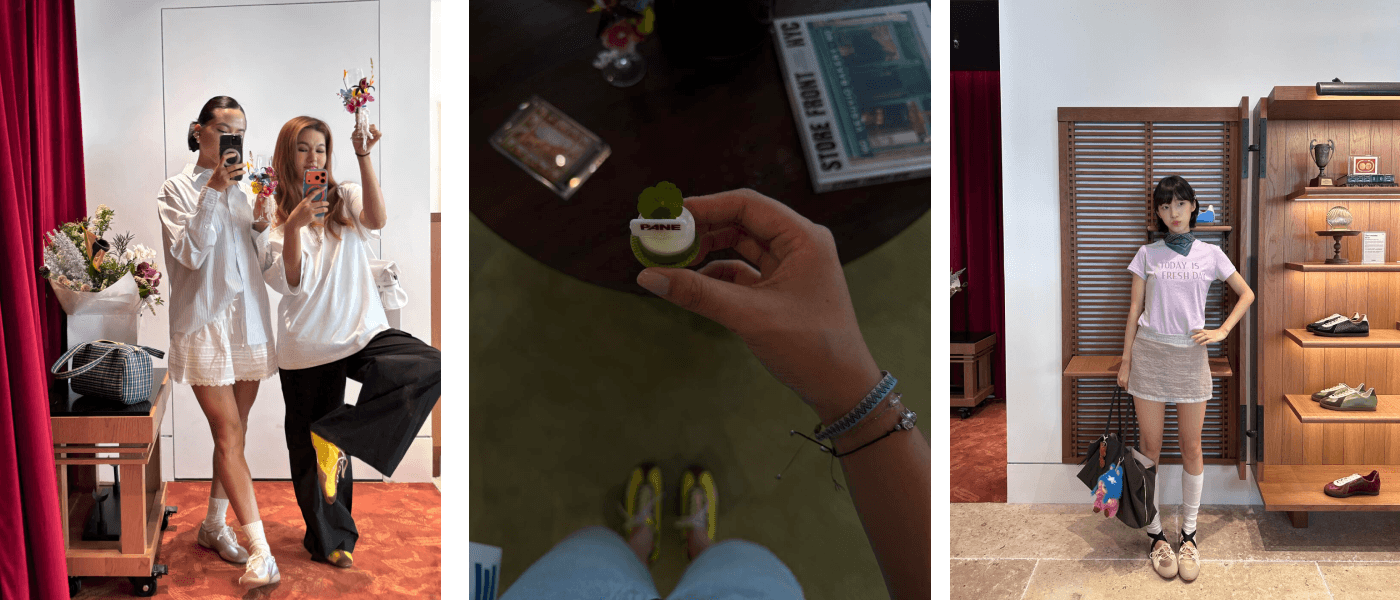
Last weekend, at around 8p.m, more than 20 people were queuing outside a 50-square-meter sneaker store on Huaihai Road. The wait stretched past 30 minutes, with roughly half of the customers with foreign faces, while conversations inside switched between English, Thai, and Russian. They were all waiting to buy an 880 RMB pair of sneakers from PANE, a Chinese footwear brand founded just three years ago.
Welcome to the new face of "Made in China."
Last weekend, at around 8p.m, more than 20 people were queuing outside a 50-square-meter sneaker store on Huaihai Road. The wait stretched past 30 minutes, with roughly half of the customers with foreign faces, while conversations inside switched between English, Thai, and Russian. They were all waiting to buy an 880 RMB pair of sneakers from PANE, a Chinese footwear brand founded just three years ago.
Welcome to the new face of "Made in China."
Here's what makes this story remarkable:
The customers flooding PANE's Shanghai store aren't expats but tourists who flew in just to shop, making up 60% to 80% of foot traffic. Some come in groups of seven and buy two pairs each. Online, the buzz is louder: 1.68 million Instagram posts, zero physical stores overseas, and 132,000 followers built purely on global word-of-mouth. On Tmall, PANE topped 100 million RMB in GMV in 2025 and beat out legacy brands in the retro trainer category. The result? A phenomenon that flips the script on how Chinese brands go global.
Here's what makes this story remarkable:
The customers flooding PANE's Shanghai store aren't expats but tourists who flew in just to shop, making up 60% to 80% of foot traffic. Some come in groups of seven and buy two pairs each. Online, the buzz is louder: 1.68 million Instagram posts, zero physical stores overseas, and 132,000 followers built purely on global word-of-mouth. On Tmall, PANE topped 100 million RMB in GMV in 2025 and beat out legacy brands in the retro trainer category. The result? A phenomenon that flips the script on how Chinese brands go global.
Unlike many Chinese brands that lean heavily into "guochao" (national wave) elements: dragons, calligraphy, red-and-gold palettes. PANE took a radically different path.
They extracted Greek Revival aesthetics and "retro everyday-ism," creating a design language with zero cultural translation cost . Walk into their Shanghai flagship, and you'll see Roman columns, ancient Greek athlete silhouettes, and vintage sports trophies. Open the shoebox, and you're greeted with tissue paper depicting Greek runners, a ùcanvas tote in Aegean blue, and a handwritten-style card.
The result? International customers don't perceive PANE as "a Chinese brand they need to understand." They perceive it as "a global aesthetic brand that happens to be made in Shanghai". One TikTok reviewer called it "like Dries Van Noten meets Miu Miu" no one's first thought was "this is Chinese"
Unlike many Chinese brands that lean heavily into "guochao" (national wave) elements: dragons, calligraphy, red-and-gold palettes. PANE took a radically different path.
They extracted Greek Revival aesthetics and "retro everyday-ism," creating a design language with zero cultural translation cost . Walk into their Shanghai flagship, and you'll see Roman columns, ancient Greek athlete silhouettes, and vintage sports trophies. Open the shoebox, and you're greeted with tissue paper depicting Greek runners, a ùcanvas tote in Aegean blue, and a handwritten-style card.
The result? International customers don't perceive PANE as "a Chinese brand they need to understand." They perceive it as "a global aesthetic brand that happens to be made in Shanghai". One TikTok reviewer called it "like Dries Van Noten meets Miu Miu" no one's first thought was "this is Chinese"
PANE didn't invent the retro sneaker, it recognized where the market was heading.
As Miu Miu's ballet flats triggered a global surge in demand for slimmer silhouettes, consumers began moving away from chunky "dad shoes" toward lightweight, everyday footwear. PANE responded with models like the Breeze and Light Shadow series, combining classic sneaker construction with ballet-inspired proportions and details.
Its pricing also hits an attractive middle ground.
At roughly 800–1,000 RMB, PANE sits above mass-market sportswear brands like Nike and Adidas, yet remains dramatically more accessible than luxury fashion houses such as Maison Margiela. The positioning allows consumers to trade up without entering true luxury territory.
PANE didn't invent the retro sneaker, it recognized where the market was heading.
As Miu Miu's ballet flats triggered a global surge in demand for slimmer silhouettes, consumers began moving away from chunky "dad shoes" toward lightweight, everyday footwear. PANE responded with models like the Breeze and Light Shadow series, combining classic sneaker construction with ballet-inspired proportions and details.
Its pricing also hits an attractive middle ground.
At roughly 800–1,000 RMB, PANE sits above mass-market sportswear brands like Nike and Adidas, yet remains dramatically more accessible than luxury fashion houses such as Maison Margiela. The positioning allows consumers to trade up without entering true luxury territory.
PANE’s stores don’t just sell shoes, they are designed to be destinations and sell experiences.
Each location revolves around a distinct concept:
PANE PLAZA (Shanghai): A city temple with Greek Revival architecture meeting modern minimalism
PANE BOWLING (Hangzhou): An 80s-inspired bowling alley with neon lighting
PANE STATION (Shenzhen): A subway carriage with metal interiors and handrails
TX Huaihai (Shanghai): A cozy "old friend's living room" warm, residential and inviting
Each store is an Instagram moment waiting to happen. International tourists aren't just buying shoes: they're buying a photo, a story, a Shanghai memory.
PANE's rise offers several broader lessons for brands looking to scale internationally.
1. Universal aesthetics can travel faster than cultural symbolism.
While many brands seek differentiation through national identity, PANE demonstrates that creating a visual language with broad international appeal can lower the barriers to global adoption
2. Tourists can become powerful brand ambassadors.
Without opening a single overseas store, PANE has leveraged international visitors to spread awareness organically. Every customer who returns home wearing the product effectively becomes part of the brand's international marketing strategy.
3. Experience creates pricing power.
The sneakers themselves matter, but so does the environment, the storytelling, and the emotional connection created inside the store. PANE shows that premium positioning is built as much through brand experience as through product quality.
Three years ago, PANE was virtually unknown.
Today, it's becoming something far more valuable than another successful Chinese sneaker brand: it's turning into one of the souvenirs international travelers most want to bring home from Shanghai.
PANE’s stores don’t just sell shoes, they are designed to be destinations and sell experiences.
Each location revolves around a distinct concept:
PANE PLAZA (Shanghai): A city temple with Greek Revival architecture meeting modern minimalism
PANE BOWLING (Hangzhou): An 80s-inspired bowling alley with neon lighting
PANE STATION (Shenzhen): A subway carriage with metal interiors and handrails
TX Huaihai (Shanghai): A cozy "old friend's living room" warm, residential and inviting
Each store is an Instagram moment waiting to happen. International tourists aren't just buying shoes: they're buying a photo, a story, a Shanghai memory.
PANE's rise offers several broader lessons for brands looking to scale internationally.
1. Universal aesthetics can travel faster than cultural symbolism.
While many brands seek differentiation through national identity, PANE demonstrates that creating a visual language with broad international appeal can lower the barriers to global adoption
2. Tourists can become powerful brand ambassadors.
Without opening a single overseas store, PANE has leveraged international visitors to spread awareness organically. Every customer who returns home wearing the product effectively becomes part of the brand's international marketing strategy.
3. Experience creates pricing power.
The sneakers themselves matter, but so does the environment, the storytelling, and the emotional connection created inside the store. PANE shows that premium positioning is built as much through brand experience as through product quality.
Three years ago, PANE was virtually unknown.
Today, it's becoming something far more valuable than another successful Chinese sneaker brand: it's turning into one of the souvenirs international travelers most want to bring home from Shanghai.