Tech
Strategies and Tips to Master RED’s Algorithm and Boost Your Engagement Score

(
(
)
)
Every year, Qixi, China’s traditional Valentine’s Day, presents luxury houses with a significant commercial opportunity, alongside a demanding creative challenge. As the festivity becomes more crowded with celebrity endorsements, limited editions and romantic imagery, simply participating in the conversation is no longer enough.
A breakdown of recent Qixi campaigns reveals a clear divide between brands sticking to traditional playbooks with celebrities, products and high-impact visuals, and those willing to reimagine how love is communicated to Chinese consumers.
Every year, Qixi, China’s traditional Valentine’s Day, presents luxury houses with a significant commercial opportunity, alongside a demanding creative challenge. As the festivity becomes more crowded with celebrity endorsements, limited editions and romantic imagery, simply participating in the conversation is no longer enough.
A breakdown of recent Qixi campaigns reveals a clear divide between brands sticking to traditional playbooks with celebrities, products and high-impact visuals, and those willing to reimagine how love is communicated to Chinese consumers.

Louis Vuitton
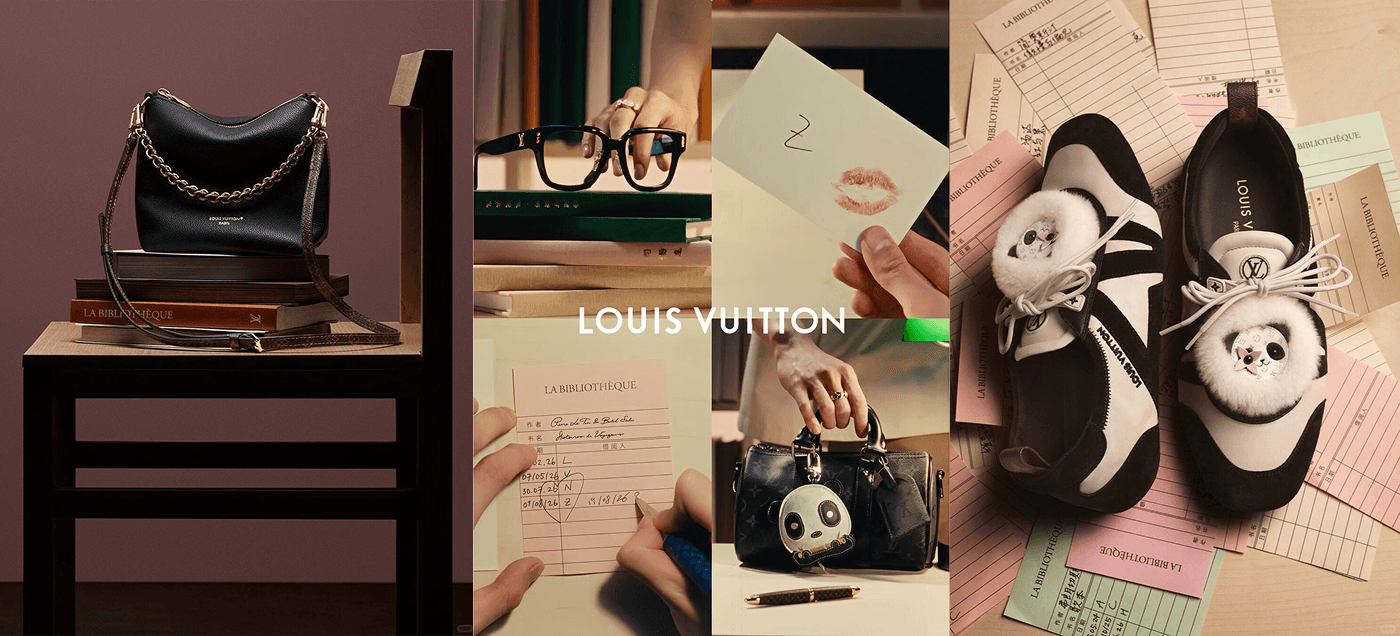
Rather than restricting the Qixi narrative to commercialized romantic love, Louis Vuitton elevated the conversation through its "La Bibliothèque" pop-up concept. By transforming luxury retail into a physical library, the brand recontextualized its products as literary and cultural artifacts.
This approach created a multi-layered experience: it shifted consumers from passive digital viewers to active physical participants engaging through touch, sight, and spatial aesthetics. In doing so, LV redefined Qixi from a traditional occasion for romantic gift-giving into a celebration of intellectual curiosity, self-cultivation, and timeless cultural appreciation.
Saint Laurent
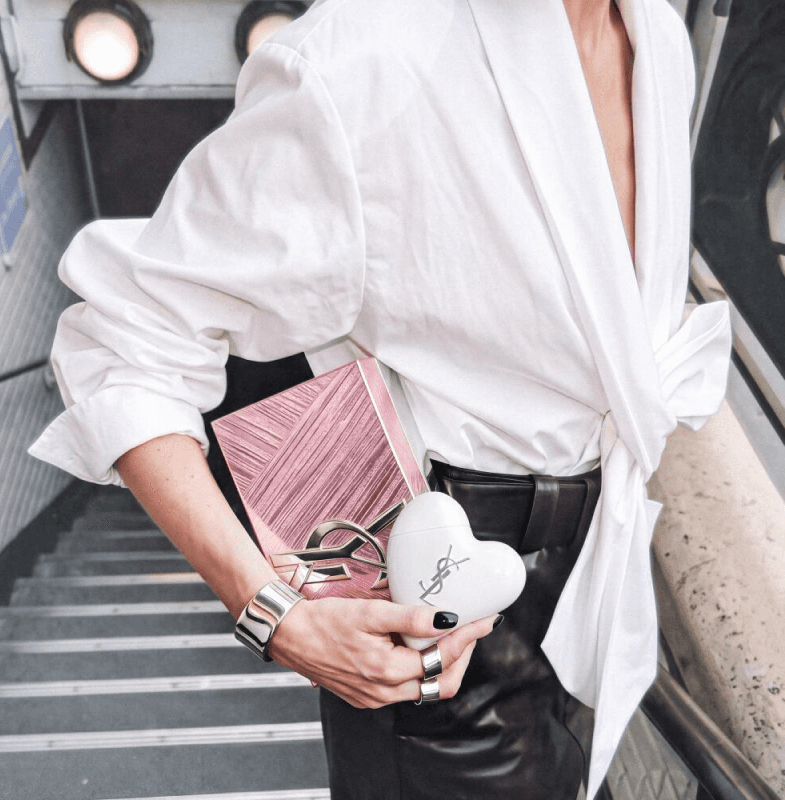
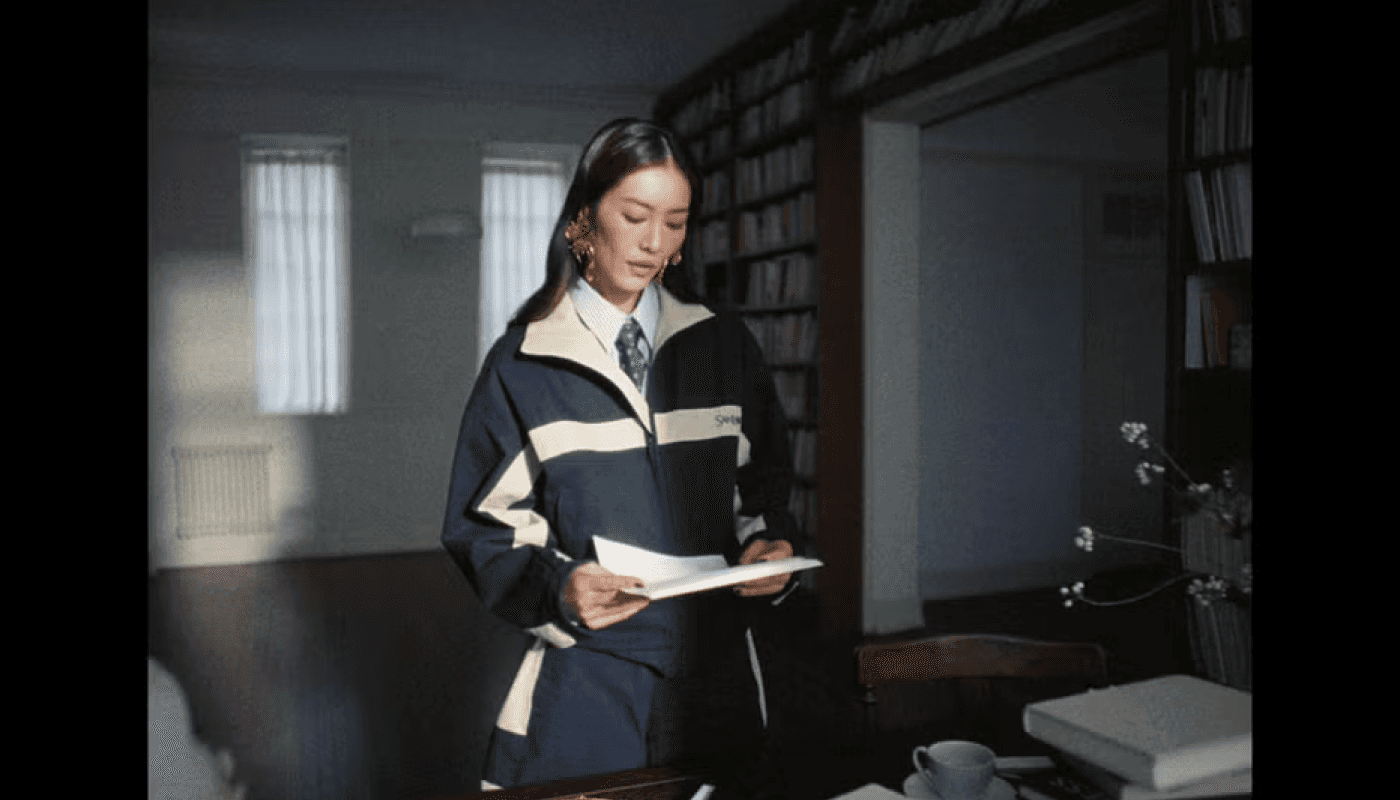
Saint Laurent elevated its Qixi narrative by grounding the campaign film trilogy, love letters, love matters, in intellectual rigor rather than superficial romance.
Instead of relying on standard commercial storylines, the brand curated intimate letters and poetry from three distinct cultural figures: Bruce Lee, pioneering sociologist Li Yinhe, and poet Xu Peifen. These texts were brought to life through spoken-word readings by actor Song Jia, supermodel Liu Wen, and actor Chen Zheyuan. By prioritizing auditory intimacy and emotional restraint over intense visual product placement, Saint Laurent stripped away the noise of commercialized affection to align its signature intellectual cool with a mature exploration of love.
To bridge this cinematic storytelling with consumer participation, the brand extended the narrative into a private digital experience on WeChat. Through an interactive "Create your own love letter" feature, followers were invited to compose and share personalized tokens of affection. This seamless transition from high-brow cultural content to user-generated participation transformed passive viewing into active personal resonance, redefining Qixi as a space for genuine connection.
Thom Browne
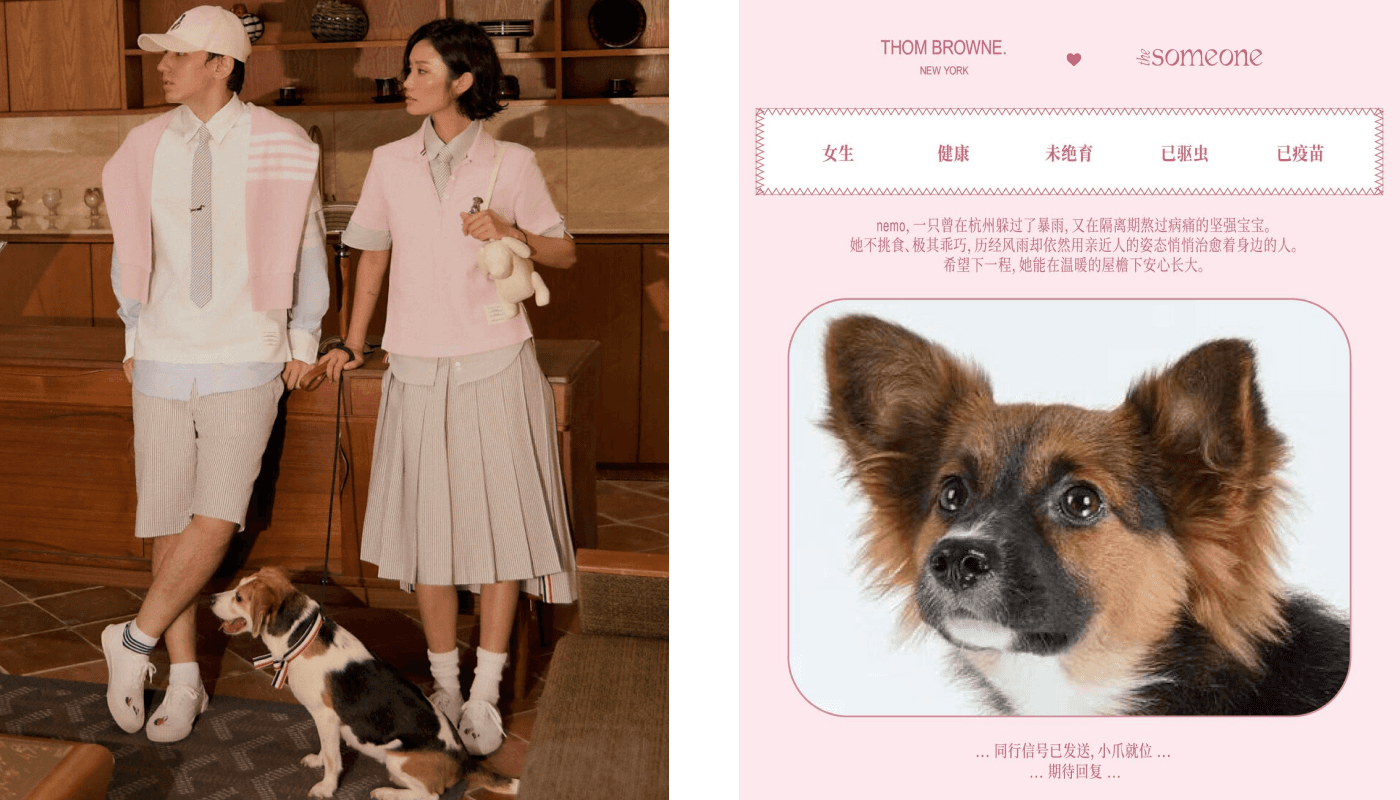
Thom Browne extended its Qixi narrative beyond digital content into tangible social impact. The brand leveraged its signature Hector motif, inspired by founder Thom Browne's dachshund, to form a long-term partnership with a private, non-profit animal shelter in Shanghai. Active through late September, this initiative moved past quick, one-off holiday promotions to deliver real support for animal welfare.
By redirecting the holiday conversation from traditional romantic love to empathy for rescue animals, Thom Browne struck a deep chord with young Chinese consumers. Modern shoppers are increasingly exhausted by aggressive holiday commercialism and actively seek out purpose-driven, value-aligned brands. Converting an iconic product symbol into a catalyst for real-world action allowed Thom Browne to cultivate genuine emotional resonance, proving that love during Qixi can encompass broader forms of care and companionship.
Louis Vuitton
Rather than restricting the Qixi narrative to commercialized romantic love, Louis Vuitton elevated the conversation through its "La Bibliothèque" pop-up concept. By transforming luxury retail into a physical library, the brand recontextualized its products as literary and cultural artifacts.
This approach created a multi-layered experience: it shifted consumers from passive digital viewers to active physical participants engaging through touch, sight, and spatial aesthetics. In doing so, LV redefined Qixi from a traditional occasion for romantic gift-giving into a celebration of intellectual curiosity, self-cultivation, and timeless cultural appreciation.
Saint Laurent
Saint Laurent elevated its Qixi narrative by grounding the campaign film trilogy, love letters, love matters, in intellectual rigor rather than superficial romance.
Instead of relying on standard commercial storylines, the brand curated intimate letters and poetry from three distinct cultural figures: Bruce Lee, pioneering sociologist Li Yinhe, and poet Xu Peifen. These texts were brought to life through spoken-word readings by actor Song Jia, supermodel Liu Wen, and actor Chen Zheyuan. By prioritizing auditory intimacy and emotional restraint over intense visual product placement, Saint Laurent stripped away the noise of commercialized affection to align its signature intellectual cool with a mature exploration of love.
To bridge this cinematic storytelling with consumer participation, the brand extended the narrative into a private digital experience on WeChat. Through an interactive "Create your own love letter" feature, followers were invited to compose and share personalized tokens of affection. This seamless transition from high-brow cultural content to user-generated participation transformed passive viewing into active personal resonance, redefining Qixi as a space for genuine connection.
Thom Browne
Thom Browne extended its Qixi narrative beyond digital content into tangible social impact. The brand leveraged its signature Hector motif, inspired by founder Thom Browne's dachshund, to form a long-term partnership with a private, non-profit animal shelter in Shanghai. Active through late September, this initiative moved past quick, one-off holiday promotions to deliver real support for animal welfare.
By redirecting the holiday conversation from traditional romantic love to empathy for rescue animals, Thom Browne struck a deep chord with young Chinese consumers. Modern shoppers are increasingly exhausted by aggressive holiday commercialism and actively seek out purpose-driven, value-aligned brands. Converting an iconic product symbol into a catalyst for real-world action allowed Thom Browne to cultivate genuine emotional resonance, proving that love during Qixi can encompass broader forms of care and companionship.
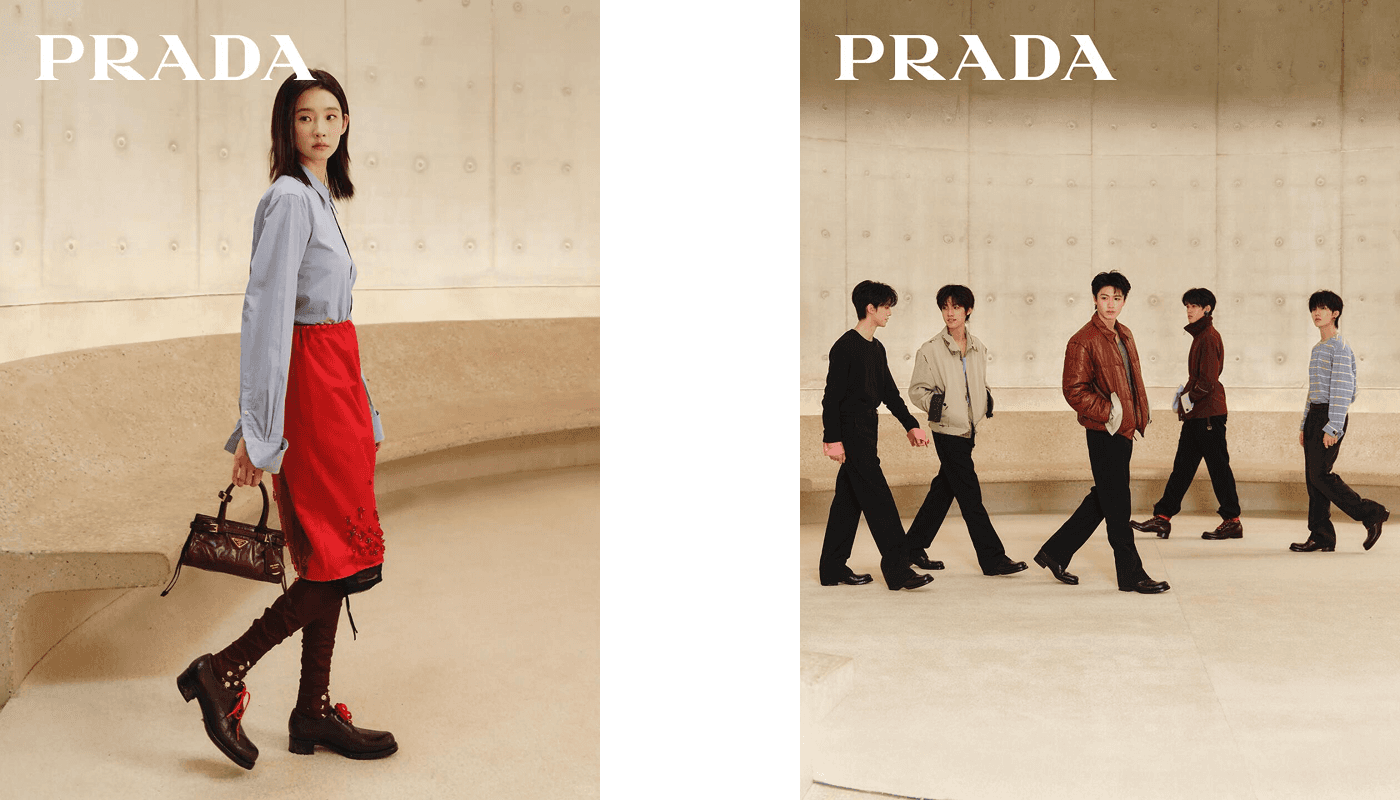
In contrast, brands such as Dior, Chanel, and Prada opted for the standard Qixi formula: a high-profile Chinese ambassador, a polished studio shoot, and strong product integration.
Dior leaned on its signature Heart motif paired with popular young actors; Chanel sent its celebrity ambassadors to Los Angeles to feature its Coco Crush collection; while Prada created a short film exploring connection through gazes rather than physical touch.
While these campaigns effectively generated massive short-term impressions (Chanel, for instance, surpassed 230 million views on Weibo within 24 hours), they operate in a highly crowded space where long-term brand differentiation is difficult to sustain.
In an increasingly saturated Chinese luxury landscape, the question is less about whether a campaign can generate attention, and more about what consumers are likely to remember once the noise fades.
In contrast, brands such as Dior, Chanel, and Prada opted for the standard Qixi formula: a high-profile Chinese ambassador, a polished studio shoot, and strong product integration.
Dior leaned on its signature Heart motif paired with popular young actors; Chanel sent its celebrity ambassadors to Los Angeles to feature its Coco Crush collection; while Prada created a short film exploring connection through gazes rather than physical touch.
While these campaigns effectively generated massive short-term impressions (Chanel, for instance, surpassed 230 million views on Weibo within 24 hours), they operate in a highly crowded space where long-term brand differentiation is difficult to sustain.
In an increasingly saturated Chinese luxury landscape, the question is less about whether a campaign can generate attention, and more about what consumers are likely to remember once the noise fades.
The key takeaway for European luxury houses navigating China’s increasingly crowded holiday calendar is clear: there is no universally superior Qixi format, only the format best aligned with the brand’s objective.
Celebrity-led campaigns can drive reach and buzz, while cultural, experiential or cause-driven narratives can strengthen differentiation and brand equity. Product-led strategies, meanwhile, are better suited to driving conversion.
The real question is therefore not how to stand out during Qixi, but what the brand wants Qixi to achieve, and how to make the festival mean something only that brand could say.
The key takeaway for European luxury houses navigating China’s increasingly crowded holiday calendar is clear: there is no universally superior Qixi format, only the format best aligned with the brand’s objective.
Celebrity-led campaigns can drive reach and buzz, while cultural, experiential or cause-driven narratives can strengthen differentiation and brand equity. Product-led strategies, meanwhile, are better suited to driving conversion.
The real question is therefore not how to stand out during Qixi, but what the brand wants Qixi to achieve, and how to make the festival mean something only that brand could say.