Marketing
The Business of Nostalgia: How To Turn Memories Into Marketing Gold


(
(
)
)
On July 2, 2026, the Suzhou Intermediate People's Court ruled in favor of Louis Vuitton in a intellectual property case against the fast-growing Chinese tea chain Molley Tea.
The court found Molley Tea guilty of infringing upon seven of LV’s registered four-petal floral trademark patterns, ordering the domestic brand to pay 10.3 million RMB ($1.4M USD) in damages and legal fees.
From a legal and corporate IP standpoint, this was a textbook victory. LV protected its core brand assets seamlessly.
However, across Chinese social media, particularly on Rednote (Xiaohongshu), the public narrative took a drastically different turn.
As of July 29, 2026, the trending topic "#LV Wins Lawsuit Against Molly Tea" has generated significant social engagement on Xiaohongshu (RED), reaching over 19.4 million total views and accumulating 112.5k User-Generated Content (UGC) notes. This highlights intense audience interest and public discussion surrounding brand intellectual property (IP) disputes in China's digital space.
Why Did the Controversy Ignite?
Rather than debating trademark law itself, online discussions quickly shifted towards three broader questions.
On July 2, 2026, the Suzhou Intermediate People's Court ruled in favor of Louis Vuitton in a intellectual property case against the fast-growing Chinese tea chain Molley Tea.
The court found Molley Tea guilty of infringing upon seven of LV’s registered four-petal floral trademark patterns, ordering the domestic brand to pay 10.3 million RMB ($1.4M USD) in damages and legal fees.
From a legal and corporate IP standpoint, this was a textbook victory. LV protected its core brand assets seamlessly.
However, across Chinese social media, particularly on Rednote (Xiaohongshu), the public narrative took a drastically different turn.
As of July 29, 2026, the trending topic "#LV Wins Lawsuit Against Molly Tea" has generated significant social engagement on Xiaohongshu (RED), reaching over 19.4 million total views and accumulating 112.5k User-Generated Content (UGC) notes. This highlights intense audience interest and public discussion surrounding brand intellectual property (IP) disputes in China's digital space.
Why Did the Controversy Ignite?
Rather than debating trademark law itself, online discussions quickly shifted towards three broader questions.

Many online commenters argued that LV's iconic four-petal floral motif resembles traditional Chinese Baoxiang flower(宝相花) patterns, which some claimed later influenced Japanese family crests before inspiring European decorative designs. This fuelled broader debates around cultural ownership and heritage, with many questioning whether a domestic brand should face significant penalties for using a motif they viewed as part of China's cultural legacy.
The controversy soon turned into a viral scavenger hunt. On Xiaohongshu, users began posting "LV patterns" found all over China, pointing to traditional floor tiles at home and subtle designs on RMB banknotes. This clever shift anchored the "ancestral pattern" argument in everyday reality, turning a rigid legal battle into a grassroots cultural movement.
Many online commenters argued that LV's iconic four-petal floral motif resembles traditional Chinese Baoxiang flower(宝相花) patterns, which some claimed later influenced Japanese family crests before inspiring European decorative designs. This fuelled broader debates around cultural ownership and heritage, with many questioning whether a domestic brand should face significant penalties for using a motif they viewed as part of China's cultural legacy.
The controversy soon turned into a viral scavenger hunt. On Xiaohongshu, users began posting "LV patterns" found all over China, pointing to traditional floor tiles at home and subtle designs on RMB banknotes. This clever shift anchored the "ancestral pattern" argument in everyday reality, turning a rigid legal battle into a grassroots cultural movement.

"Nobody buys an ¥18 milk tea to fake wearing Louis Vuitton." Many consumers argued that the overlap between luxury fashion buyers and mass-market tea customers was minimal, suggesting there was little commercial incentive for Molley Tea to benefit from confusion with LV's products.
"Nobody buys an ¥18 milk tea to fake wearing Louis Vuitton." Many consumers argued that the overlap between luxury fashion buyers and mass-market tea customers was minimal, suggesting there was little commercial incentive for Molley Tea to benefit from confusion with LV's products.
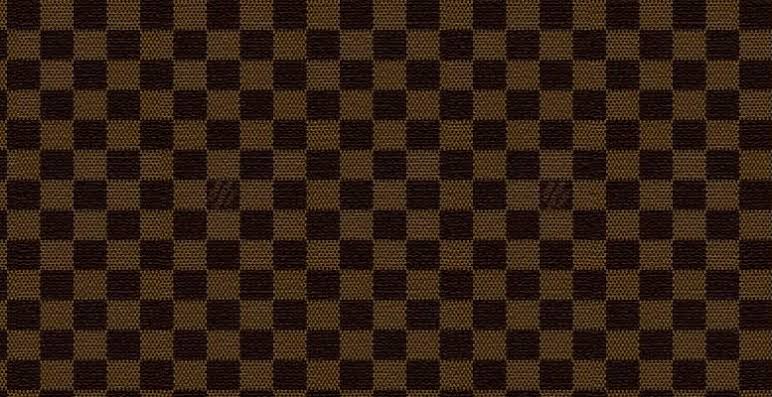
Some online commentators compared the ruling with trademark disputes in Europe and the US, arguing that other courts have sometimes been more cautious about protecting common or decorative patterns. Whether or not those comparisons were directly applicable, they became an important part of the online conversation and further fuelled public debate.
Some online commentators compared the ruling with trademark disputes in Europe and the US, arguing that other courts have sometimes been more cautious about protecting common or decorative patterns. Whether or not those comparisons were directly applicable, they became an important part of the online conversation and further fuelled public debate.
This lawsuit created a fascinating commercial dynamic. In the days following the verdict, Molley Tea’s official Douyin account gained approximately 350,000 new followers, converting a legal loss into a significant increase in consumer attention and brand awareness.
For multinational companies operating in China today, this case delivers a vital lesson: legal victories are only the starting point; public perception can determine the long-term impact.
Protecting intellectual property remains non-negotiable. But before entering the courtroom, global brands must consider not only the legal outcome, but also how their actions will be perceived by consumers and the wider public.
The court may issue the verdict, but consumers ultimately shape brand reputation.
This lawsuit created a fascinating commercial dynamic. In the days following the verdict, Molley Tea’s official Douyin account gained approximately 350,000 new followers, converting a legal loss into a significant increase in consumer attention and brand awareness.
For multinational companies operating in China today, this case delivers a vital lesson: legal victories are only the starting point; public perception can determine the long-term impact.
Protecting intellectual property remains non-negotiable. But before entering the courtroom, global brands must consider not only the legal outcome, but also how their actions will be perceived by consumers and the wider public.
The court may issue the verdict, but consumers ultimately shape brand reputation.